

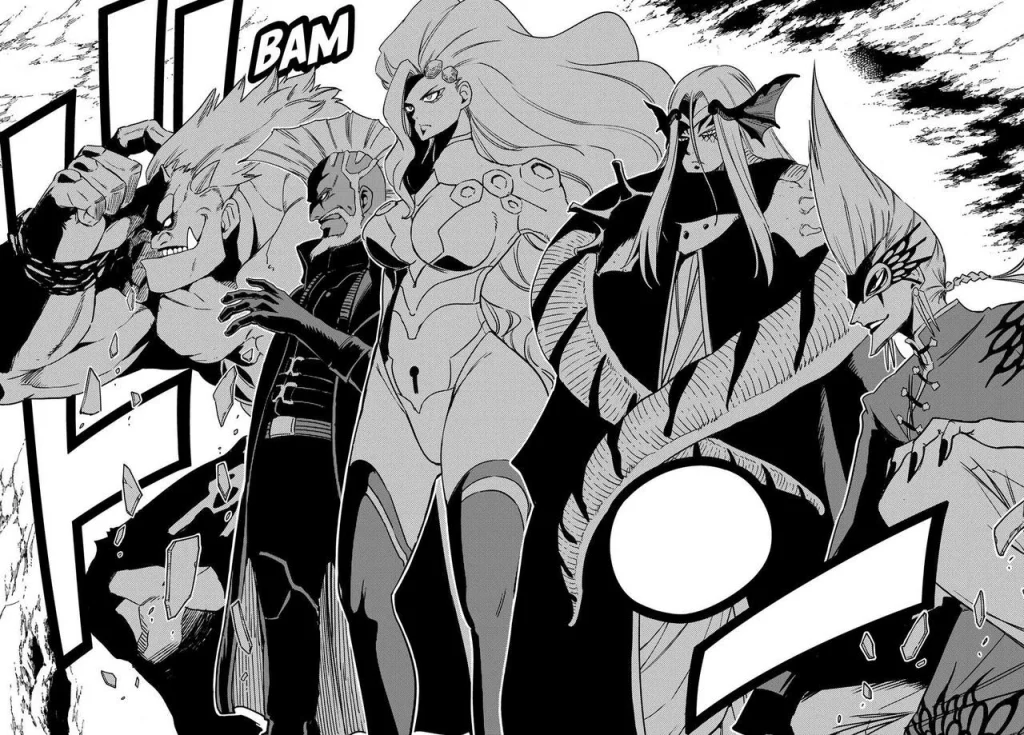
The magical universe of Fairy Tail continues to expand and captivate fans with the thrilling sequel series Fairy Tail 100 Years Quest. As Natsu Dragneel and his guild companions embark on the legendary quest that even Gildarts couldn’t complete, they face unprecedented dangers that test their powers and bonds like never before.
This article delves into the sinister threats lurking in the shadows of this epic adventure, revealing why Fairy Tail 100 Years Quest has become essential reading for manga enthusiasts. Fans can conveniently follow every chapter and uncover these dark forces through trusted platforms like NatoManga, ensuring they don’t miss a moment of the action.
The Evolution of Villains in Fairy Tail 100 Years Quest
The Fairy Tail 100 Years Quest manga introduces readers to a new caliber of antagonists that elevate the stakes beyond what fans experienced in the original series. The Dragon Gods represent a threat level that surpasses previous villains, with each possessing power comparable to Acnologia, the black dragon that served as the ultimate antagonist in the original series. This power scaling creates a sense of genuine danger for our beloved guild members, who despite their growth, find themselves outmatched by these divine dragons. The Wood Dragon God Alderan, the first major threat encountered in Fairy Tail 100 Years Quest, demonstrates this power disparity by easily overwhelming the team with abilities that manipulate the natural world in terrifying ways.
Beyond the Dragon Gods, Fairy Tail 100 Years Quest introduces the White Mage, Touka, whose mysterious background and connection to guild member Juvia creates both narrative tension and moral complexity. Her ability to “purify” mages by stealing their magic and personalities represents a different kind of threat than the physically destructive villains typical of the series. This evolution in antagonist design shows how Fairy Tail 100 Years Quest builds upon established patterns while introducing fresh concepts that keep the story engaging for long-time fans.
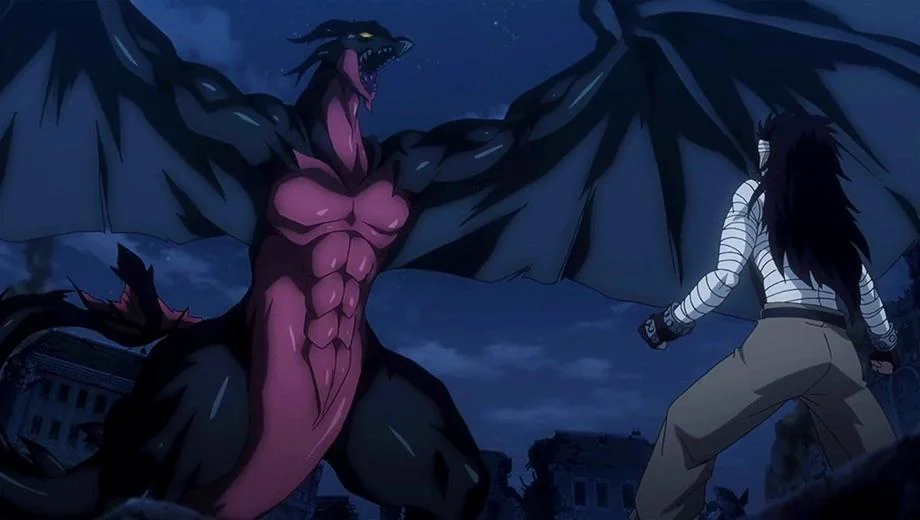
What makes the villains in Fairy Tail 100 Years Quest particularly compelling is their moral ambiguity. Unlike many antagonists from the original series who were often clearly evil, many of the Dragon Gods have understandable motivations and complex relationships with humans. Mercphobia, the Water Dragon God, actively protected humans before being corrupted, while Selene, the Moon Dragon God, engages in manipulative games that blur the line between ally and enemy. When you read Fairy Tail 100 Year Quest manga, you’ll discover that this narrative approach creates a more mature storytelling environment where conflicts aren’t simply resolved through defeating an evil entity but require negotiation, understanding, and sometimes compromise.
Darker Themes and Mature Storytelling in the Century Quest
Fairy Tail 100 Years Quest embraces darker thematic elements than its predecessor, addressing more mature concepts while maintaining the series’ trademark optimism and friendship motifs. The quest itself represents a journey that has claimed countless lives over a century, immediately establishing higher stakes than many previous adventures. The manga doesn’t shy away from depicting the psychological toll this takes on our heroes, showing moments of genuine fear, doubt, and even trauma that weren’t as deeply explored in the original series.
One particularly compelling element that emerges when you read Fairy Tail 100 Year Quest manga is the exploration of identity and autonomy. The White Mage’s ability to “cleanse” wizards effectively erases their personalities while keeping their bodies intact, raising philosophical questions about what constitutes a person. Similarly, Elentear’s ability to create parallel worlds forces characters to confront alternate versions of themselves, bringing issues of destiny, choice, and self-determination to the forefront. These existential themes represent a maturation of the storytelling approach that responds to the aging of the series’ original fanbase.
The century quest format also allows for deeper exploration of the world’s history and magic system. As the team traverses different regions seeking the Dragon Gods, Fairy Tail 100 Years Quest reveals ancient conflicts, forgotten civilizations, and magical traditions that add richness to the universe. The revelation of the lost civilization that sealed the dragons creates a mythology that contextualizes current events within a broader historical narrative, adding intellectual depth to complement the series’ emotional appeal. This world-building enriches the manga experience, rewarding attentive readers with a more coherent and fascinating universe.
The Psychological Impact on Guild Members
Characters in Fairy Tail 100 Years Quest face internal struggles that reflect the increased maturity of the storyline. Natsu confronts the reality that despite his growth, there remain powers in the world far beyond his current capabilities, challenging his self-identity as a protector. Lucy’s ongoing development as a writer parallels her growth as a mage, with both journeys requiring her to confront insecurities and define success on her own terms. These personal challenges create resonant character arcs that elevate the manga beyond simple power escalation.
When you read Fairy Tail 100 Year Quest manga in its entirety, you’ll notice how Gray’s relationship with ice magic takes new dimensions as he encounters dragons and mages who utilize similar elements in vastly different ways. This forces him to innovate and reconsider his understanding of his own magic, leading to both power growth and character development. Similarly, Erza faces opponents who challenge not just her strength but her leadership philosophy, creating moments of genuine introspection rare in shonen manga. These psychological aspects wouldn’t work without the foundation built by the original series, but represent a maturation that keeps the sequel fresh and engaging.
The exploration of romantic relationships also becomes more nuanced in Fairy Tail 100 Years Quest. While the original series often played potential romances for comedic effect, the sequel presents more meaningful progression in relationships like Natsu and Lucy or Gray and Juvia. These developments acknowledge the characters’ growth and the passing of time, allowing them to evolve beyond the static dynamics that sometimes limit long-running manga series. This maturation resonates particularly well with fans who have grown up alongside these characters and appreciate seeing them face adult emotions and relationships.
Ancient Prophecies and World-Ending Threats

Central to Fairy Tail 100 Years Quest is the ominous prophecy about the Dragon Gods and their potential to bring about catastrophic destruction. The manga skillfully intertwines this overarching threat with the team’s immediate challenges, creating a narrative structure that balances urgent conflicts with long-term stakes. The prophecy’s ambiguity allows for multiple interpretations, keeping readers guessing about which characters might ultimately fulfill which roles and whether the foretold destruction can be averted. This narrative tension sustains interest across story arcs, making Fairy Tail 100 Years Quest a consistently engaging read.
The introduction of Elentear, the God Dragon capable of creating parallel worlds, represents a threat scale unprecedented in the Fairy Tail universe. This power literally reshapes reality, transcending the physical destruction typical of previous antagonists to threaten the very fabric of existence. When dedicated fans read Fairy Tail 100 Year Quest manga chapters examining these cosmic-level threats, they discover storytelling ambitions that exceed those of the original series, with philosophical implications about reality, perception, and truth woven into exciting battle sequences and character moments.
What makes these apocalyptic elements work narratively is how they remain connected to personal stakes. The potential end of the world matters because we care about the specific towns, guilds, and characters that would be lost. Fairy Tail 100 Years Quest excels at maintaining this balance, never allowing the cosmic scale to overshadow the human elements that have always been the series’ emotional core. This approach allows the manga to raise the stakes dramatically without losing the warm, character-driven appeal that made the original Fairy Tail so beloved.
Corruption as a Central Motif
Corruption emerges as a recurring theme throughout Fairy Tail 100 Years Quest, manifested physically, magically, and morally across different characters and situations. The Dragon Gods themselves face corruption by outside forces, transforming from neutral or even benevolent entities into threats. This corruption narrative creates interesting parallels with human characters who must also resist temptation and maintain their moral integrity in the face of overwhelming power. The theme creates unity across seemingly disparate story arcs, giving the manga philosophical coherence beneath its adventurous surface.
The White Mage’s “purification” represents a perversion of a seemingly positive concept, reminiscent of how extremist ideologies in our world can twist virtuous ideals into justifications for harmful actions. This sophisticated thematic development demonstrates how Fairy Tail 100 Years Quest engages with complex ideas while maintaining the accessibility expected of mainstream shonen manga. For readers seeking depth beyond spectacular magical battles, these thematic elements provide satisfying intellectual substance.
As you read Fairy Tail 100 Year Quest manga chapters exploring these corruption narratives, you’ll notice how they challenge the somewhat simplistic moral framework of the original series.
You May Also Like:
Erza Scarlet’s Growth Throughout Fairy Tail 100 Years Quest
Why Fairy Tail 100 Years Quest Is a Unique Sequel to Fairy Tail
Friendship and Rivalry in Fairy Tail 100 Years Quest Manga
