

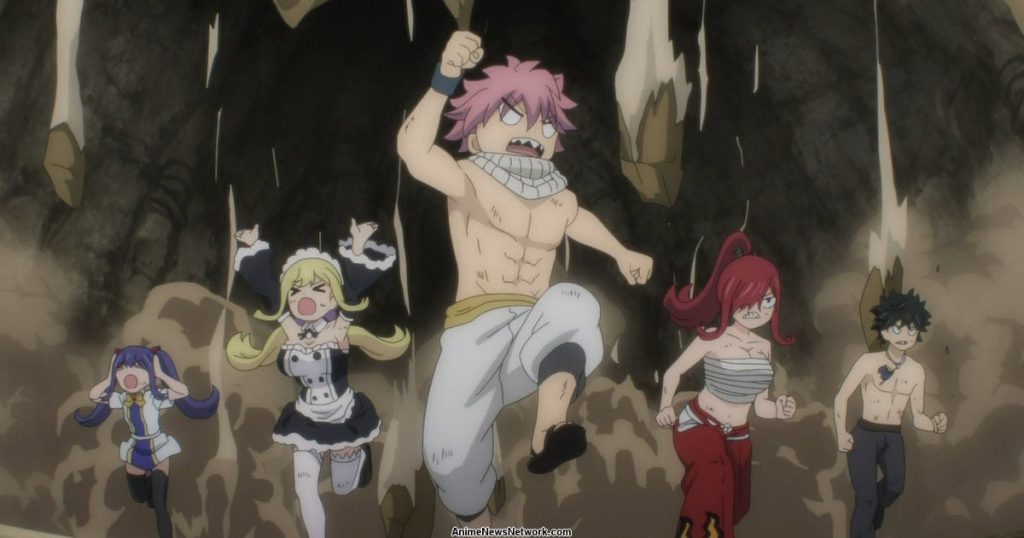
The magical universe of Fairy Tail continues to expand and enchant fans through its sequel, Fairy Tail 100 Years Quest. This continuation delves deeper into the fascinating world of magic guilds, showcasing how these organizations fundamentally shape the politics, social structures, and magical evolution within the universe. As you read Fairy Tail 100 Years Quest manga on platforms like NatoManga, you’ll discover that guilds aren’t merely gathering places for wizards but complex institutions that define the very fabric of this fantastical world.
The sequel masterfully builds upon the foundation laid by the original series, offering readers a more nuanced understanding of how these magical organizations influence everything from individual character growth to continental conflicts. By following every chapter on NatoManga, fans can stay up-to-date and fully immerse themselves in the intricate worldbuilding that makes this series so compelling.
The Evolution of Guild Systems in Fairy Tail 100 Years Quest
When you read Fairy Tail 100 Year Quest manga, one of the first things you’ll notice is how guild systems have evolved since the original series. The sequel takes place after the dissolution of the Magic Council, creating a power vacuum that dramatically transforms how guilds operate. This evolution isn’t just background information but forms the core tension driving many storylines. The Fairy Tail guild, now operating in a less regulated magical world, must navigate new challenges while maintaining their core values of friendship and loyalty.
In particular, the 100 Years Quest introduces the concept of “guild spheres of influence” – geographical and political territories where specific guilds exert authority in the absence of central governance. This new dynamic creates fascinating conflicts as guilds compete not just for reputation but for actual authority over regions. For instance, when Natsu and his team visit the Water Dragon God’s domain, they encounter local guilds with traditional practices vastly different from Fairy Tail’s approach, highlighting the cultural diversity that exists even within the guild system.
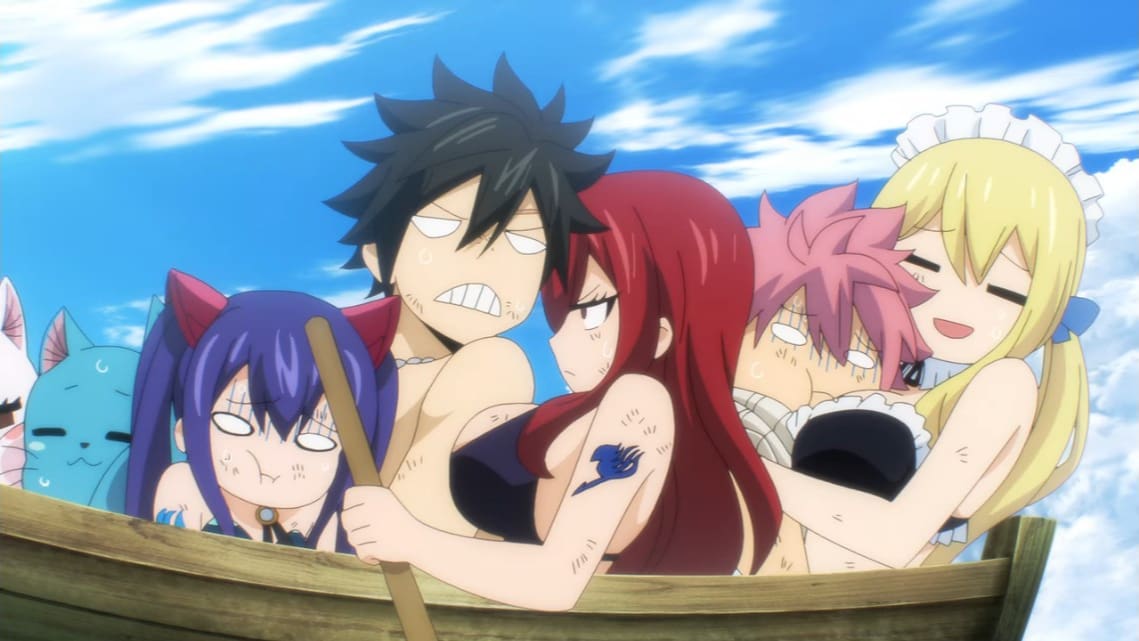
Another significant evolution is the introduction of guild alliances based on elemental specialties. As you read Fairy Tail 100 Year Quest manga, you’ll discover guilds forming coalitions around specific magical affinities, particularly in response to the threat posed by the Dragon Gods. These alliances reshape the magical landscape, as formerly rival guilds must overcome historical animosities to cooperate against existential threats. This development adds layers of political complexity to the story that weren’t as pronounced in the original series.
The sequel also introduces a fascinating concept of “guild legacy”, the notion that guilds pass down not just magical techniques but philosophical approaches to magic across generations. This is particularly evident in how the Fairy Tail guild approaches the 100 Years Quest itself, a mission that has defeated countless wizards over a century. The guild’s unique approach to seemingly impossible challenges becomes a defining characteristic that sets them apart from other magical organizations.
The White Mage Guild and Its Impact
Perhaps the most significant guild-related innovation in Fairy Tail 100 Years Quest is the introduction of the White Mage Guild. This organization represents a radical departure from traditional guild structures, functioning more as a religious order than a collection of independent wizards. When fans read Fairy Tail 100 Year Quest manga, they encounter in the White Mage a fundamentally different philosophy about what magic guilds should be and how they should operate.
The White Mage Guild believes in magical uniformity rather than diversity, seeking to “purify” all magic and bring it under a singular, controlled framework. This directly contradicts the Fairy Tail guild’s celebration of magical diversity and individual expression. Through this contrast, the manga explores profound questions about the purpose of guilds: are they meant to standardize and control magic for safety and efficiency, or should they foster individuality and creative magical development?
This conflict becomes especially poignant when familiar characters are “purified” and turned against their former guildmates. These emotional confrontations force readers to consider the value of diversity within magical systems and whether the chaos of varied magical approaches is preferable to the order of uniformity. The White Mage arc thus uses guild politics as a vehicle to explore deeper philosophical questions about conformity versus individuality.
The arc also examines how guilds interact with local communities and the responsibilities they bear. When visiting fairytail100yearsquest.com to follow this storyline, readers witness how different communities react to the White Mage’s promises of security and stability, with some welcoming the standardization while others resist the loss of magical tradition. This nuanced portrayal of guild-community relations adds depth to the worldbuilding and reflects real-world tensions between security and freedom.
Guild Economics and Resource Management
Fairy Tail 100 Years Quest expands significantly on the economic aspects of guild operations, providing a fascinating look at how these magical organizations sustain themselves and influence local economies. As you read Fairy Tail 100 Year Quest manga, you’ll notice substantial attention paid to how guilds acquire, manage, and distribute magical resources, especially in the wake of major conflicts that have disrupted traditional supply chains.
The sequel introduces the concept of “magic siphoning” – a practice where certain guilds extract magical energy from natural sources to power their spells and facilities. This practice creates tension between conservationist guilds like Fairy Tail, who believe in sustainable magic use, and industrialist guilds that prioritize magical output above environmental concerns. This conflict mirrors real-world debates about resource extraction and sustainability, giving the manga surprising relevance to contemporary issues.
Guild mission economics also receive more detailed treatment in the sequel. Whereas the original series primarily showed wizards taking jobs for adventure or personal growth, Fairy Tail 100 Years Quest delves deeper into how mission selection and completion affect guild standing, resource acquisition, and territorial influence. The titular 100 Years Quest itself represents the ultimate economic prize – a mission so valuable and prestigious that its completion would elevate Fairy Tail’s status for generations.
Particularly interesting is the manga’s exploration of inter-guild trade agreements. As regional powers in their own right, guilds have developed complex systems for exchanging magical artifacts, knowledge, and even temporarily loaning members with specific abilities. When you read Fairy Tail 100 Year Quest manga, you’ll notice these economic arrangements forming the backdrop for many adventures, as missions often involve navigating these agreements or resolving disputes that arise from them.
The sequel also introduces the concept of “guild taxation” – the practice of powerful guilds requiring tribute from smaller organizations in exchange for protection or access to magical resources. This creates a feudal-like system in some regions, with dominant guilds functioning almost as magical landlords. The Fairy Tail guild’s opposition to such practices puts them at odds with more traditional guild hierarchies, creating tension that drives several compelling story arcs.
Magical Infrastructure and Public Services
One of the most fascinating aspects revealed when you read Fairy Tail 100 Year Quest manga is how guilds contribute to magical infrastructure. The sequel shows guilds collaborating with local governments to maintain magical transportation systems, communication networks, and defensive barriers. These public works projects highlight the civic responsibilities that come with magical power, showing that guilds aren’t just fighting forces but essential service providers.
The Fairy Tail guild specifically takes on a leadership role in developing magical infrastructure that benefits ordinary citizens rather than just wizards. This approach contrasts with other guilds that focus exclusively on serving the magical community or wealthy clients. Through these differences, the manga explores questions about privilege and responsibility, asking whether magical power creates an obligation to serve the broader public.
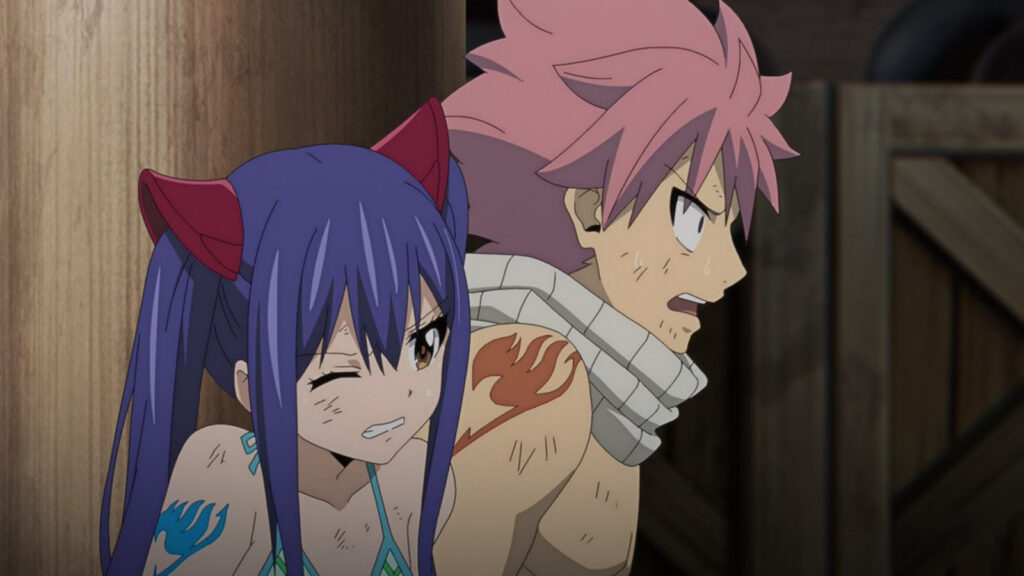
Educational systems also fall under guild influence, with different organizations promoting distinct approaches to magical pedagogy. Some guilds operate formal academies with structured curricula, while others, like Fairy Tail, prefer apprenticeship models where younger wizards learn through practical experience alongside veterans. These different approaches produce wizards with varying strengths and philosophical outlooks, contributing to the rich diversity of magical styles that make the world of Fairy Tail so engaging.
Disaster response represents another critical infrastructure function fulfilled by guilds. When natural or magical catastrophes occur, guilds mobilize their members to rescue civilians, contain magical threats, and rebuild damaged areas. Fairy Tail 100 Years Quest portrays these response efforts in detail, particularly when the Dragon Gods’ actions create widespread destruction. These scenarios demonstrate how essential guilds have become to public safety and social stability in a world where conventional authorities lack the magical capabilities to address supernatural threats.
Guilds as Family Units and Social Structures
Perhaps the most emotionally resonant aspect of guilds in Fairy Tail 100 Years Quest is their function as chosen families and social support networks. As you read Fairy Tail 100 Year Quest manga, you’ll witness how guild relationships often surpass blood ties in significance, creating complex webs of loyalty, mentorship, and emotional connection.
You May Also Like:
Erza Scarlet’s Growth Throughout Fairy Tail 100 Years Quest
Why Fairy Tail 100 Years Quest Is a Unique Sequel to Fairy Tail
