

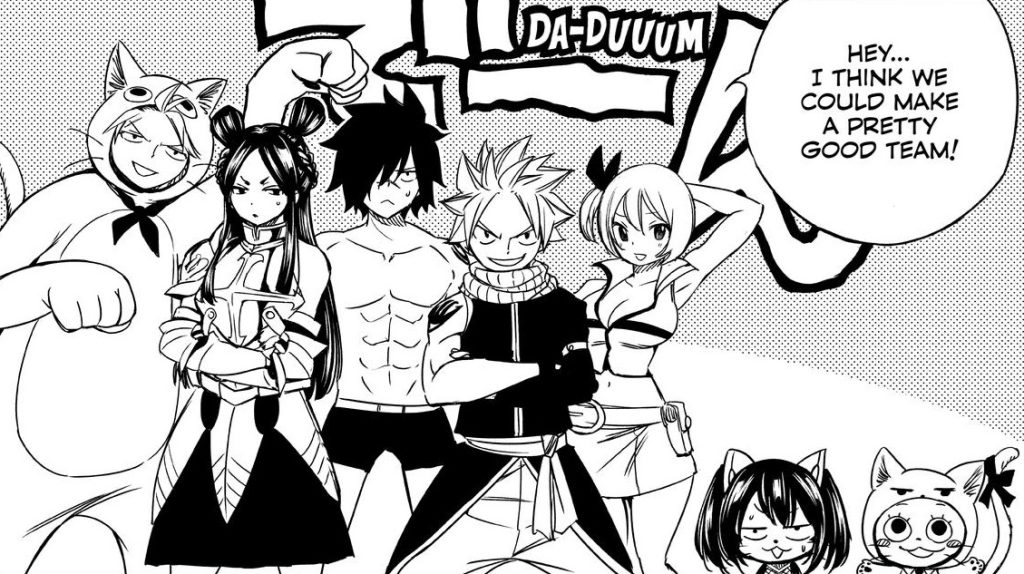
Fairy Tail 100 Years Quest continues the beloved adventure of Natsu Dragneel and his friends as they tackle the legendary century quest that no mage has ever completed. This sequel to Hiro Mashima’s original Fairy Tail series takes readers on an exciting journey filled with new enemies, unexpected alliances, and deeper character development.
As fans follow the story on platforms like NatoManga, they discover how the bonds of friendship and the heat of rivalry push our favorite guild members to new heights of magical power and emotional growth. The series masterfully balances nostalgic elements that longtime fans cherish while introducing fresh storylines and characters, keeping the Fairy Tail universe expanding in fascinating ways.
The Evolution of Friendship Bonds in Fairy Tail 100 Years Quest
The Fairy Tail guild has always been defined by the powerful bonds of friendship that unite its members, and in Fairy Tail 100 Years Quest, these relationships reach new depths of complexity and significance. As readers read Fairy Tail 100 Year Quest manga, they witness how the core team of Natsu, Lucy, Gray, Erza, and Wendy face challenges that test their trust and loyalty to one another.
The quest itself, a mission so difficult that no wizard has completed it in a century, creates unprecedented pressure that strengthens their connections in meaningful ways.
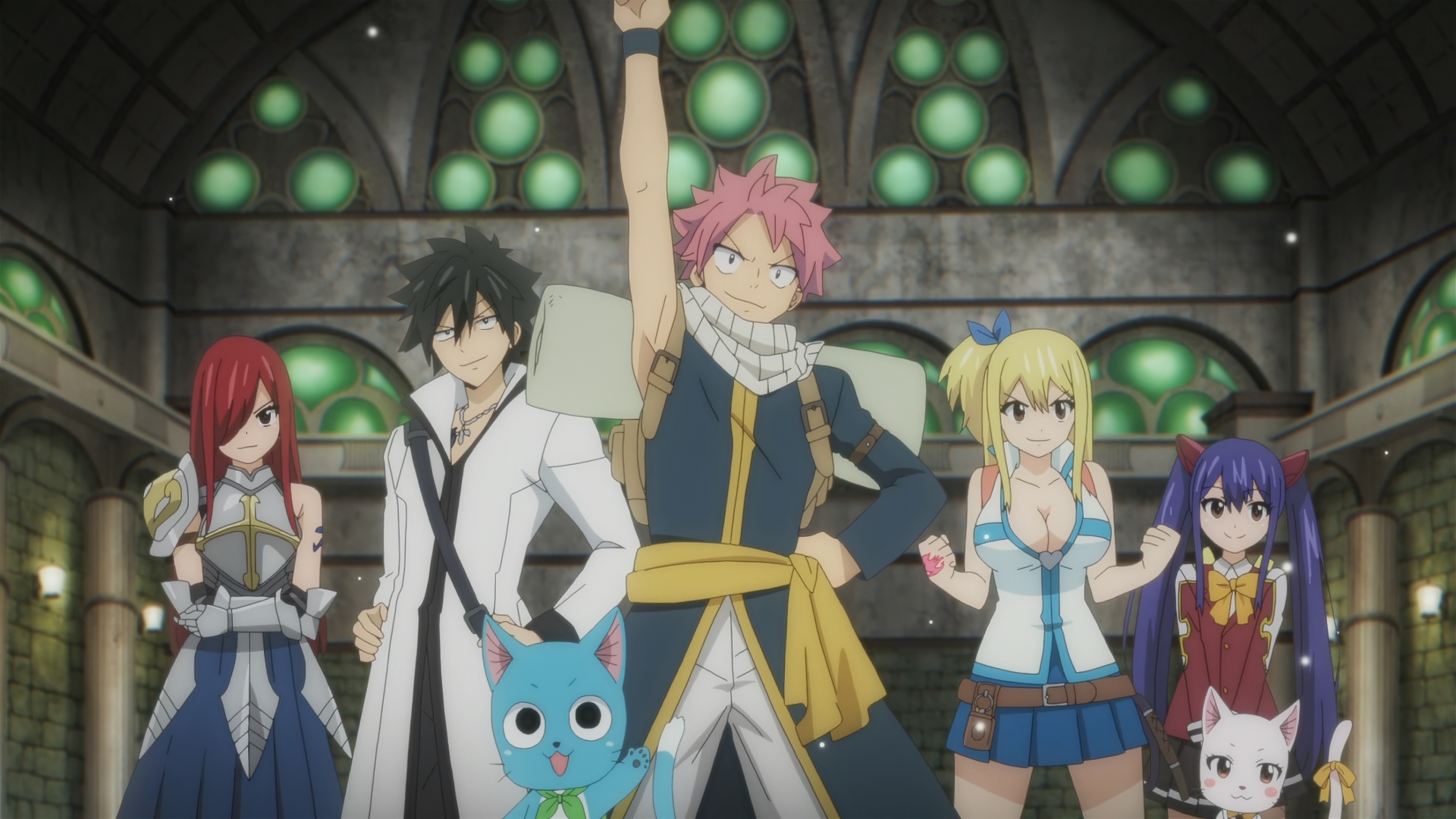
One of the most compelling aspects of friendship portrayed in this sequel is how it evolves beyond the simplistic “power of friendship” trope that some critics noted in the original series. When fans read Fairy Tail 100 Year Quest manga, they discover more nuanced interactions where teammates must sometimes make difficult choices that put their relationships at risk.
For instance, when faced with the Dragon Gods, each character must confront personal weaknesses and fears, often leading to moments where they must rely on their friends in ways they never had to before.
The relationship between Lucy and Natsu particularly shines throughout Fairy Tail 100 Years Quest. Their bond deepens beyond mere partnership as they face increasingly dangerous situations together. Mashima and Ueda skillfully illustrate how Lucy’s strategic thinking complements Natsu’s brute force approach, creating a dynamic where neither character would succeed alone.
This interdependence represents a maturation of the friendship theme that was present in the original series but has been refined and given more emotional weight in the 100 Years Quest storyline. Another fascinating friendship explored in depth when you read Fairy Tail 100 Year Quest manga is the one between Wendy and the white dragon slayer Irene. This relationship brings forward interesting questions about mentorship, trust, and how friendships can form between characters from vastly different backgrounds.
The series doesn’t shy away from showing how initial suspicion can gradually transform into mutual respect and eventually genuine affection, providing a more realistic portrayal of how relationships develop over time.
Rivalry as a Driving Force in Character Development
While friendship forms the heart of Fairy Tail 100 Years Quest, rivalry serves as its backbone, providing tension and propelling character growth in unexpected directions. Unlike many shonen manga that position rivalry as purely antagonistic, when you read Fairy Tail 100 Year Quest manga, you’ll notice how rivalry often functions as a complementary force to friendship, pushing characters to exceed their limitations while maintaining respect for their opponents.
The long-standing rivalry between Natsu and Gray takes on new dimensions in this sequel series. No longer defined solely by their elemental opposition of fire and ice, their competition evolves into a more mature contest of leadership styles and approaches to problem-solving. When crucial decisions must be made during the quest, their differing perspectives create productive tension that ultimately leads to better outcomes than either would have achieved alone. This represents a significant evolution from their more childish disputes in the original series.
External rivalries also feature prominently for those who read the Fairy Tail 100 Year Quest manga. The introduction of the powerful Dragon Eaters creates formidable opponents that challenge our heroes not just physically but ideologically. These rivals don’t merely serve as obstacles to overcome but as mirrors reflecting alternative paths the Fairy Tail members could have taken under different circumstances. This narrative approach adds psychological depth to the rivalry theme, making conflicts more meaningful than simple power contests.
Particularly fascinating is how Fairy Tail 100 Years Quest explores intra-guild rivalries beyond the main team. Characters like Gajeel, Juvia, and Laxus, who have their own subplot missions during the quest, develop competitive relationships with new characters that highlight their growth since the original series. These secondary rivalries enrich the world-building and demonstrate how the theme permeates throughout the guild rather than just focusing on the main characters.
The Gray-Natsu Dynamic: Beyond Simple Opposition
Anyone who takes the time to read Fairy Tail 100 Year Quest manga will notice that the relationship between Gray and Natsu has evolved significantly from their early days. While they still bicker and compete, their rivalry has matured into something that fuels both their individual growth and strengthens their teamwork. The sequel series shows how their contrasting approaches, Natsu’s instinctual, direct method versus Gray’s more thoughtful, strategic style, create a balanced team dynamic that proves essential for overcoming the unprecedented challenges of the century quest.
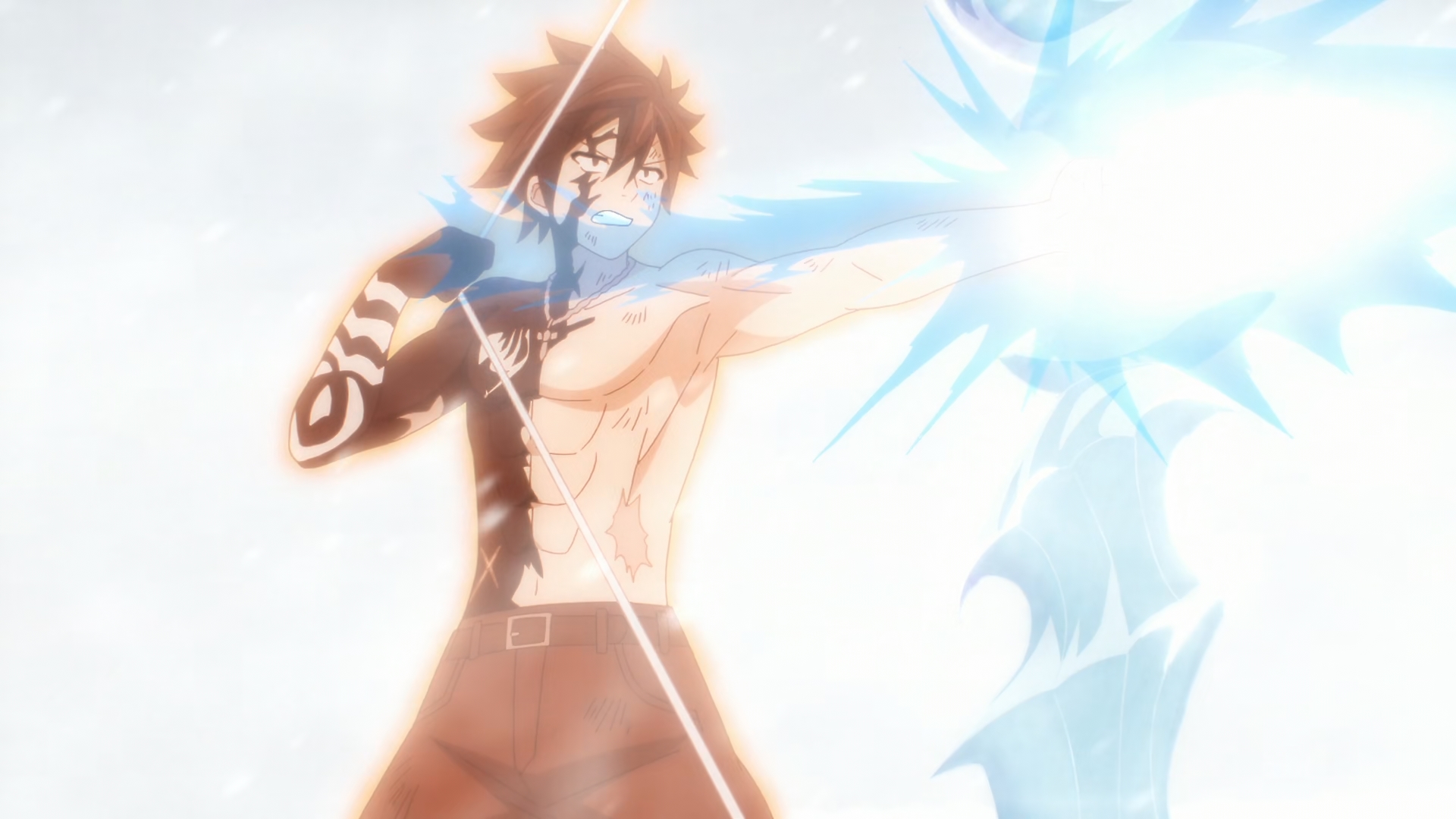
Significant moments in Fairy Tail 100 Years Quest reveal how this rivalry has become a form of mutual respect. When facing the Water God Dragon, for instance, Gray acknowledges Natsu’s raw power while Natsu comes to appreciate Gray’s tactical thinking. This represents a dramatic evolution from their earlier characterization, where their competition often devolved into comedic fisticuffs. The sequel presents a more nuanced portrayal of rivalry as a relationship that can coexist with and even enhance friendship rather than threatening it.
The manga also explores how their rivalry extends beyond combat prowess to include personal growth and emotional intelligence. As readers read Fairy Tail 100 Year Quest manga chapters featuring their interactions with Touka and the White Mage, they see both characters struggling with different aspects of empathy and understanding. Their competitive spirit drives them to improve not just their magic abilities but also their capacity for connection and comprehension of complex situations, demonstrating how rivalry can foster holistic character development.
New Characters and Their Impact on Established Relationships
Fairy Tail 100 Years Quest introduces several compelling new characters who catalyze significant developments in the friendships and rivalries of our beloved guild members. When you read Fairy Tail 100 Year Quest manga, you’ll encounter figures like Touka, the Dragon Eaters, and members of the Diabolos Guild who challenge existing relationship dynamics and force the Fairy Tail members to reconsider their bonds and rivalries in thoughtful ways.
The introduction of Touka, a mysterious girl with connections to the White Mage, creates interesting ripples throughout the guild. Her apparent interest in Natsu complicates his relationship with Lucy, bringing forward feelings and attachments that had previously remained beneath the surface.
This love triangle scenario might seem like a conventional trope, but Fairy Tail 100 Years Quest handles it with remarkable subtlety, using it as a lens to examine how romantic interest intersects with established friendships, creating tension that ultimately strengthens rather than damages existing bonds.
The Dragon Gods represent another category of new characters who significantly impact team dynamics. Each God has a distinct personality and power set that resonates differently with various Fairy Tail members. When fans read Fairy Tail 100 Year Quest manga chapters featuring these encounters, they witness how these godlike entities force our heroes to confront aspects of themselves they had previously ignored or suppressed. The Wood Dragon God Aldoron’s connection to nature, for instance, challenges Natsu to reconsider his often destructive approach to problem-solving.
Perhaps most interestingly, the members of the Diabolos Guild provide dark reflections of what Fairy Tail members could become without their friendship bonds. These Dragon Eaters pursue power at any cost, forming alliances based on convenience rather than genuine connection. As the story progresses, these characters serve not just as antagonists but as cautionary examples that reinforce why the Fairy Tail approach to relationships, prioritizing loyalty and mutual support over raw power acquisition, ultimately creates both stronger individuals and a more effective team.
The White Mage: A New Kind of Antagonist
Among the new characters introduced in Fairy Tail 100 Years Quest, the White Mage stands out as particularly significant for how she challenges the guild’s fundamental values. Unlike previous villains who primarily threatened the team physically, the White Mage attacks the very foundation of their relationships by manipulating their memories and bonds. When you read Fairy Tail 100 Year Quest manga sections featuring this antagonist, you’ll notice how her abilities force characters to question what’s real about their connections to one another.
You May Also Like:
Secrets Behind the Five Dragon Gods in Fairy Tail 100 Years Quest
Top Battles to Watch in Fairy Tail 100 Years Quest
Gray Fullbuster’s Role in Fairy Tail 100 Years Quest Explained
