

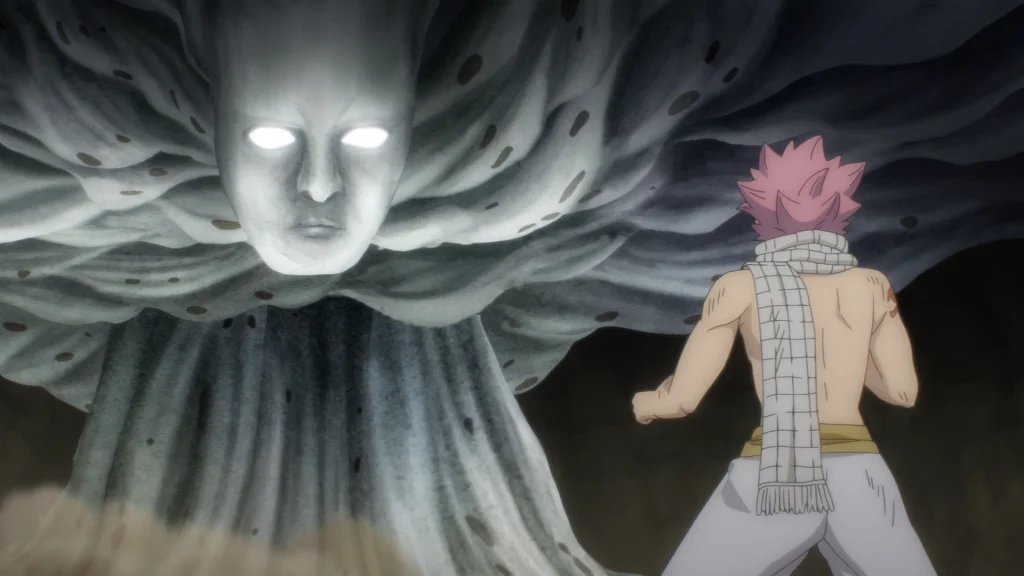
The magical universe of Fairy Tail continues to expand with the thrilling sequel series, Fairy Tail 100 Years Quest. This compelling continuation follows Natsu Dragneel and his faithful companions as they embark on a legendary mission that no wizard has ever completed. For devoted fans and newcomers alike, the rich lore, intricate character developments, and breathtaking magical battles in this sequel have created an immersive experience that rivals the original series. As we delve into the enchanting world of Fairy Tail 100 Years Quest, we’ll explore the fascinating new realms, formidable adversaries, and the evolving relationships that make this manga a must-read for fantasy enthusiasts, especially for readers who follow the latest updates and chapters through NatoManga.
The Legacy Continues: Understanding Fairy Tail 100 Years Quest
Fairy Tail 100 Years Quest represents a significant milestone in the beloved franchise created by Hiro Mashima. Unlike typical sequel series that often fail to capture the essence of their predecessors, this continuation seamlessly integrates with the original narrative while introducing fresh elements that keep readers engaged. To truly appreciate the depth of this sequel, it’s essential to understand its place in the broader Fairy Tail universe and how it expands upon established lore.
The manga picks up immediately after the events of the original series, with minimal time having passed since Natsu and his friends emerged victorious from their battle against Acnologia and Zeref. This directness allows longtime fans to transition smoothly into the new adventure without feeling disconnected from the characters they’ve grown to love. For those who haven’t read the original series, Fairy Tail 100 Years Quest provides enough context and character development to stand on its own, though the emotional impact of certain moments is undoubtedly enhanced by familiarity with the previous storyline.
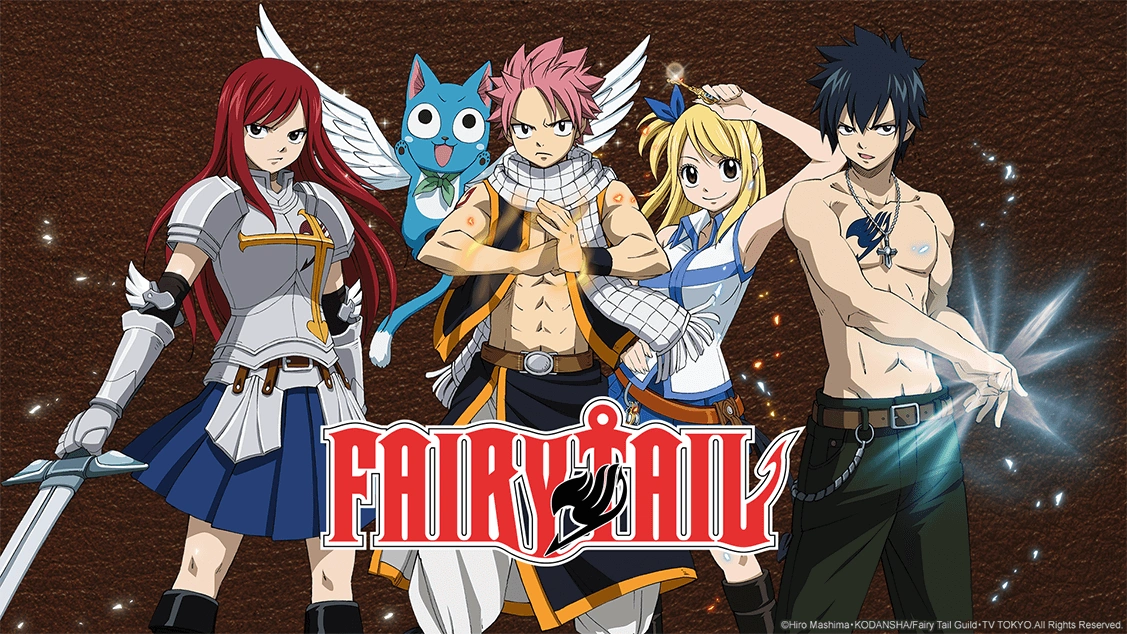
When you read Fairy Tail 100 Year Quest manga, you’ll notice that Mashima has passed the illustration duties to Atsuo Ueda while maintaining his role as the story’s creator. This collaborative approach has resulted in artwork that honors the original style while incorporating subtle refinements that give the sequel its unique visual identity. The character designs remain recognizably faithful to Mashima’s style, ensuring that familiar faces like Natsu, Lucy, Erza, Gray, and Wendy retain their iconic appearances while allowing for visual growth that reflects their continuing journey.
The premise of Fairy Tail 100 Years Quest revolves around a mission so dangerous and complex that no wizard has been able to complete it in a century. This quest involves the sealing of Five Dragon Gods, immensely powerful beings that surpass even the formidable dragons encountered in the original series. The elevation of stakes is immediately apparent, setting the tone for a saga that promises to challenge our heroes in unprecedented ways and explore the limits of their magical abilities and personal growth.
The Five Dragon Gods: A New Tier of Power
Central to the narrative of Fairy Tail 100 Years Quest is the introduction of the Five Dragon Gods, entities of such immense magical power that they represent perhaps the most significant threat our heroes have ever faced. Each Dragon God governs a specific element and territory, creating a complex power structure that extends beyond the previously established dragon hierarchy in the Fairy Tail universe.
Mercphobia, the Water Dragon God, is the first of these mighty beings encountered by Team Natsu. His domain, the Water God Dragon City of Elmina, introduces readers to societies that have developed in symbiosis with these godlike creatures. The relationship between Mercphobia and the citizens of Elmina provides insights into how these Dragon Gods are not merely antagonistic forces but complex characters with their own histories, motivations, and internal conflicts.
As you read Fairy Tail 100 Year Quest manga, you’ll discover that each Dragon God brings unique challenges that force our heroes to evolve their strategies and abilities. Aldoron, the Wood Dragon God, presents a particularly interesting case with his fragmented consciousness distributed across numerous seeds, creating a multi-layered conflict that tests both the physical prowess and problem-solving skills of Team Natsu. This innovative approach to antagonist design demonstrates the creative direction of the sequel, building upon established magical concepts while introducing new dimensions that keep the power scaling interesting.
The gradual revelation of these Dragon Gods and their abilities creates a compelling structure for the manga, with each arc dedicated to understanding and confronting these entities. This format allows for focused storytelling while maintaining an overarching narrative that ties the individual encounters together. The Dragon Gods also serve as mirrors that reflect aspects of our main characters’ personalities and struggles, creating thematic resonance that elevates the story beyond simple battle sequences.
Character Evolution in Fairy Tail 100 Years Quest
One of the most compelling aspects of Fairy Tail 100 Years Quest is how it handles character development for both established and new faces. Rather than simply recycling familiar character beats, the sequel takes our beloved guild members on journeys that honor their previous growth while opening new avenues for evolution. This thoughtful approach to character writing ensures that reading the manga feels both nostalgic and fresh simultaneously.
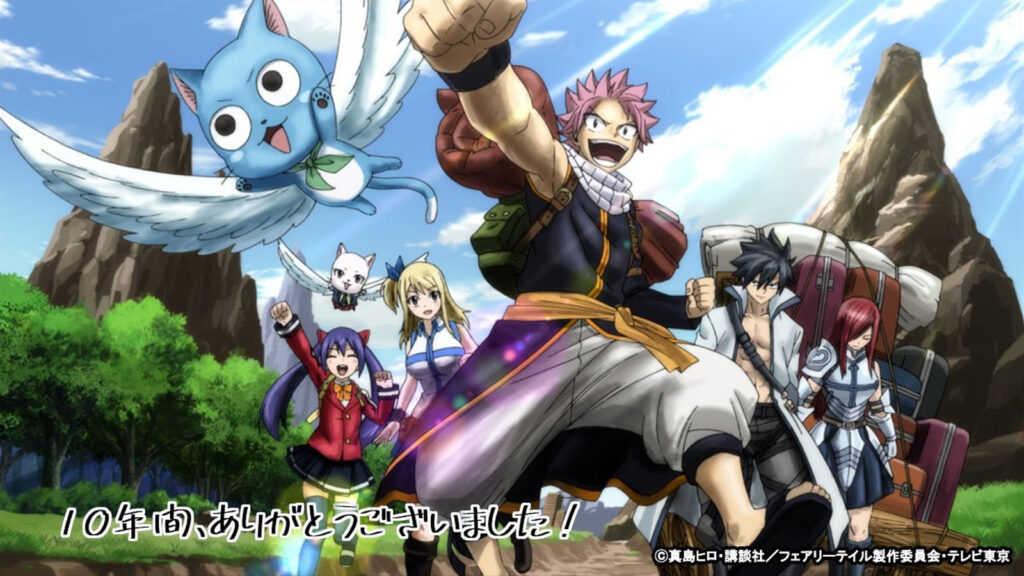
Natsu Dragneel, the series protagonist, continues his journey of self-discovery with particular focus on his dragon slayer heritage and its implications. The revelation of his connection to the fire Dragon God Ignia introduces complex questions about his nature and destiny that go beyond his relationship with Igneel, explored in the original series. These new dimensions to Natsu’s character create internal conflicts that complement his external battles, adding psychological depth to his typically straightforward personality.
Lucy Heartfilia experiences significant development in her celestial magic abilities, particularly through the introduction of new star dress combinations that allow her to merge the powers of different zodiac spirits. This evolution in her magic system represents her growing confidence and adaptability, reflecting how far she has come from the novice wizard introduced in the original series. Her relationship with Natsu also continues to develop in subtle ways that acknowledge the emotional foundation built over their many adventures together.
When you read Fairy Tail 100 Year Quest manga, you’ll appreciate how Erza Scarlet faces challenges that specifically test her leadership qualities and emotional resilience. Her encounters with characters from her past and confrontations with foes who can match her combat prowess force her to evolve beyond her established tactics. These trials serve to deconstruct and subsequently strengthen the “invincible Titania” persona, revealing new layers to one of the guild’s most formidable members.
Gray Fullbuster’s ongoing struggle with his devil slayer abilities continues to be explored in meaningful ways, particularly in how these powers relate to the Dragon Gods and other ancient magics. His rivalry with Natsu evolves beyond simple competition into a more nuanced relationship where their different magical approaches complement each other in battle. This maturation of their dynamic represents one of the many ways the sequel honors long-term character relationships while allowing them room to grow.
New Characters and Their Impact
Fairy Tail 100 Years Quest introduces several significant new characters who enrich the narrative landscape and provide fresh perspectives on the established world. Touka, a mysterious girl with an obsession with Natsu, initially appears as a simple admirer but quickly reveals deeper connections to the overarching plot. Her introduction serves to complicate the guild dynamics and raises questions about the nature of magic and identity that become central to the ongoing story.
The White Mage emerges as a compelling antagonist whose ideology directly challenges the foundational beliefs of Fairy Tail guild members. Unlike villains motivated by simple destruction or power acquisition, the White Mage’s crusade against magic stems from a complex worldview with understandable, if misguided, principles. This nuanced approach to antagonist creation elevates the conflict beyond physical confrontation into the realm of ideological debate, adding intellectual depth to the adventure.
Members of the Diabolos guild represent a different type of dragon slayer than previously encountered in the series. These Fifth Generation Dragon Slayers, who consume dragon flesh to gain their abilities, present both a physical threat and an ethical challenge to Natsu and his fellow dragon slayers. Their methods and philosophy create meaningful contrasts that force our heroes to reflect on their own sources of power and the responsibilities that come with them.
The city dwellers and local personalities encountered throughout the quest provide cultural texture and sociological insight into how different communities have adapted to life in proximity to the Dragon Gods. These characters, though often secondary to the main plot, create a sense of a living, breathing world that extends beyond the immediate concerns of Team Natsu. Their varied reactions to magic and dragon influence help illustrate how the Fairy Tail world continues to develop in organic ways.
Magical Systems and World Building in 100 Years Quest
The expansion of magical systems represents one of the most significant contributions of Fairy Tail 100 Years Quest to the broader franchise lore. Building upon the established foundation of magic in the original series, the sequel introduces new concepts, refines existing systems, and creates fascinating interactions between different magical traditions. This evolving approach to magic keeps the power scaling interesting while providing intellectual depth to the fantasy elements.
