
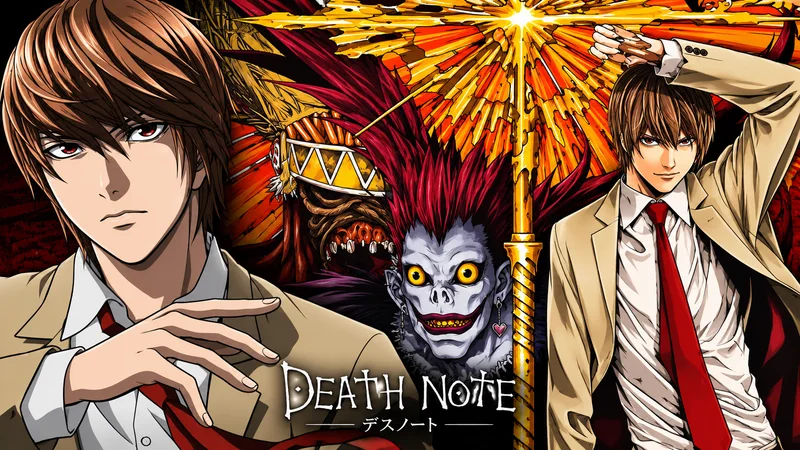
How does Death Note end? Light Yagami is exposed as Kira during a confrontation with Near at the Yellow Box warehouse. His plan to kill everyone investigating him fails when Teru Mikami writes their names in a notebook that has been secretly replaced. After Matsuda shoots Light to stop a final attempt at murder, Ryuk writes Light’s name in his own Death Note. Light dies, ending his attempt to rule the world through fear.
The ending brings the supernatural mystery created by Tsugumi Ohba and Takeshi Obata back to its central conflict: can someone who claims to deliver justice escape responsibility for killing others? That combination of psychological suspense, difficult choices, and strategic rivalries is part of the appeal of mystery and supernatural manga explored by readers on MangaNato.
This article explains Near’s warehouse trap, Mello’s crucial contribution, why Mikami’s notebook fails, and what happens to Light. It also separates the manga’s final chapters from Episode 37 of the anime, including the differences in Light’s death and the original story’s aftermath.
The Warehouse Confrontation That Exposes Kira
The final showdown takes place at the Yellow Box warehouse, where Light meets Near, the young detective continuing the pursuit of Kira. Light arrives believing he has already anticipated Near’s plan. He expects Teru Mikami, a devoted Kira follower, to write the names of everyone standing against him in a genuine Death Note while leaving Light’s name untouched.
Near, however, has prepared for the possibility of a notebook-based attack. Mikami writes the names, the required time passes, and nobody dies. Near then points out that Light is the only person Mikami deliberately omitted. Combined with the failed killing attempt and the investigation’s other findings, that omission reveals who has been directing Kira’s actions.
How does Death Note end when Light seems certain he has won? His confidence turns into panic because the notebook Mikami brought is not the usable one Light expected. The people he planned to eliminate remain alive, and his supposed victory becomes evidence against him.
Why Mello’s Final Move Breaks Light’s Plan
The crucial mistake occurs before the warehouse meeting. Light has arranged for Mikami to carry a decoy notebook while Kiyomi Takada carries out killings using pages from the real one. Near’s team is watching Mikami and initially focuses on the decoy. If the real notebook remains hidden, Light expects Near to tamper with the wrong object.
Mello disrupts that arrangement by kidnapping Takada. She kills Mello using a page of the Death Note, and Light separately writes Takada’s name on a hidden scrap to prevent her from revealing information. Unaware that Light has acted, Mikami visits the bank to use the real notebook against Takada. That unexpected departure from his rigid routine exposes the notebook’s hiding place to Near’s investigators.
Near credits Mello with making the discovery possible. Their approaches had often conflicted, but Mello’s intervention provides the missing opening for Near to identify and replace the genuine notebook before the final meeting. The outcome is not simply Near outsmarting Light in isolation; it depends on actions taken by both successors to L.
How Does Death Note End for Light Yagami?
Once the notebook fails, Light can no longer maintain his carefully constructed image of innocence. He admits that he is Kira and tries to defend the killings as necessary to create a world without crime. Near rejects his claim to moral authority, treating him as a murderer rather than a savior.
Light still attempts to use a small piece of Death Note paper concealed in his wristwatch. He tries to write Near’s name, but Touta Matsuda shoots him before he can complete the attack. Matsuda’s reaction is especially significant because he had worked alongside Light and trusted the investigation’s apparent allies.
At the end, Ryuk does exactly what he warned Light he would do when their relationship began: he writes Light’s name in his own notebook. Ryuk is not saving Light, and he does not kill Near’s group on Light’s behalf. Light dies from the Death Note’s power, bringing his reign as Kira to an end.
The Final Plan, Step by Step
The ending can be difficult to follow because Light and Near are each trying to manipulate which notebook the other side believes is real. The decisive sequence is easier to understand in order:
- Light prepares a decoy: Mikami behaves as if his notebook is genuine while the usable notebook is kept elsewhere.
- Mello kidnaps Takada: Her disappearance forces Mikami to depart from his usual routine and access the real notebook.
- Near’s team finds the real notebook: Investigators use Mikami’s unexpected bank visit to uncover Light’s deception and replace its contents with a convincing fake.
- Mikami writes names at the warehouse: Nobody dies, and the absence of Light’s name exposes the man directing him.
- Light makes a final attack: Matsuda shoots him, and Ryuk ultimately writes Light’s name.
How does Death Note end after so much deception? A single act outside Light’s predictions starts a chain of discoveries that strips him of control. The ending rewards attention to the notebook’s rules and to the different ways Near, Mello, and Light think under pressure.
Near and Mello Finish the Investigation L Started
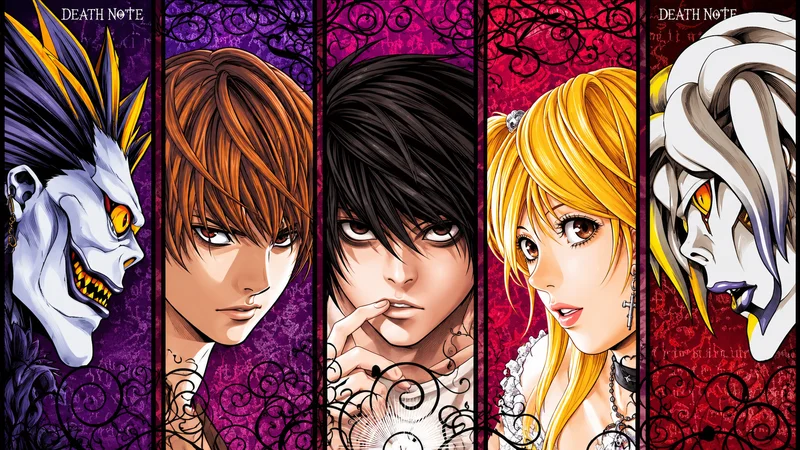
Near and Mello inherit the problem L could not solve. Light had succeeded in arranging the death of L, also known by the alias Ryuzaki, but that did not erase the suspicions L developed or the people capable of following them. The case eventually becomes a contest between Light and two successors who approach risk differently.
Light believed killing L would secure his position. But does ryuzaki die in death note before his investigation can be completed? Yes. Near and Mello carry it forward, and Near openly acknowledges that neither could necessarily have surpassed L alone. Their combined efforts expose the flaw in Light’s final scheme.
How does Death Note end for L’s legacy, then? The detective does not return, but his pursuit achieves its purpose through others. This is a major reason the ending works as the conclusion of the entire investigation, rather than just another confrontation between Light and a new rival.
How Does Death Note End in the Manga?
In the original manga, Light’s final moments remain inside the warehouse. After being shot, he becomes increasingly desperate and asks Ryuk to kill the investigators. Ryuk instead writes Light’s name in the notebook, explaining that Light has reached the end of his struggle. Light dies of a heart attack in front of the people who have exposed him.
The manga continues beyond Light’s death. Chapter 107, Curtain, depicts his final defeat, while Chapter 108, Finis, provides an epilogue set about a year later. Near continues the work associated with L, and the surviving investigators discuss the case and the world left behind after Kira’s disappearance.
The final pages also show that some people still worship Kira. Their gathering does not undo Light’s death or prove that his methods were just. Instead, it suggests that the desire for a powerful figure to punish wrongdoers can survive even after the person claiming that role has been defeated.
How Does Death Note End in the Anime?
The anime reaches the same essential outcome in Episode 37, New World: Near exposes Light, Matsuda shoots him, and Ryuk writes his name. Its staging, however, is more reflective and less publicly humiliating than the original manga’s warehouse death.
In the anime, Mikami fatally wounds himself during the confrontation, creating an opening for the injured Light to escape. Light runs away as the episode recalls his earlier self and the path he took after finding the notebook. Ryuk writes his name while watching from a distance, and Light eventually dies alone on a staircase. He briefly sees an image of L before the end.
These differences are meaningful but do not change the verdict. Light does not survive in either version, and Ryuk ultimately ends his life in both. The anime focuses on a quieter final image, while the manga leaves him exposed and pleading before the people he tried to deceive.
What Happens to Mikami, Misa, and the Others?
The ending gives different levels of closure to different characters. Mikami’s fate is a particularly clear example of the distinction between manga and anime. The anime depicts his suicide at the warehouse; the manga instead reports his death in prison later, rather than showing the same event during the confrontation.
Misa Amane is not shown dying in the manga’s final confrontation. The anime places her alone in a somber rooftop scene, without depicting a jump or explicitly confirming her death there. The companion book Death Note 13: How to Read gives a later death date for Misa in the original manga continuity, but that information should not be mistaken for a scene shown in Episode 37.
The remaining investigators are left to continue their lives and work after a case that has tested their judgment and loyalties. Near assumes L’s role, while Mello’s contribution remains essential despite his death before the final confrontation. The case closes, but it leaves lasting questions about trust, justice, and the influence of Kira’s ideology.
What the Ending Says About Kira’s Idea of Justice
Light begins the story believing that the Death Note will let him remove dangerous criminals and build a better world. By the last confrontation, he is willing to kill anyone who threatens his authority, including investigators whose only aim is to identify a murderer. His language of justice cannot hide how thoroughly preserving his power has become the priority.
The final scenes emphasize three ideas:
- Power does not prove righteousness: Light can kill from a distance, but that ability does not give him the moral right to judge everyone.
- Control creates vulnerabilities: His plans depend on other people’s obedience, and Mikami’s unexpected decision helps destroy the scheme.
- Ideas outlive individuals: The manga’s surviving Kira worshippers show that a dangerous belief can remain attractive even after its leader dies.
How does Death Note end without offering a simple solution to crime? It defeats the person claiming absolute authority while leaving readers to decide what genuine justice requires. Near’s victory resolves the case, not every social problem that made Kira appealing to some people.
Frequently Asked Questions
Who Actually Kills Light Yagami?
Ryuk kills Light by writing his name in a Death Note. Matsuda shoots Light during the warehouse confrontation, but the supernatural notebook delivers the final cause of death.
How Does Death Note End for Teru Mikami?
His fate differs by version. In the anime, Mikami fatally wounds himself during the warehouse confrontation. In the manga, he is taken into custody and is later reported to have died in prison.
Does Near Die at the End of Death Note?
No. Near survives the warehouse confrontation because the notebook used against him has been replaced. In the manga’s epilogue, he continues the work associated with L.
How Does Death Note End for Misa Amane?
Misa is not shown dying in the main manga’s last confrontation, and the anime’s rooftop imagery does not explicitly show her death. Separate official companion material records her later death in the manga continuity.
Conclusion
How does Death Note end? Near exposes Light as Kira when Mikami’s notebook fails at the warehouse. Matsuda shoots Light during a desperate final attack, and Ryuk ends his life by writing his name in the Death Note. The manga keeps Light’s death inside the warehouse; the anime allows him to escape briefly before he dies.
Near and Mello complete the pursuit begun by L, but Kira’s influence does not disappear completely. The ending closes Light’s story while leaving a warning about the difference between enforcing justice and claiming unlimited power over other people’s lives.

ZipZapZia is a content contributor at MangaNato with a passion for manga, manhwa, and manhua. Focusing on unique stories, emerging trends, and diverse genres, ZipZapZia helps readers discover exciting titles and fresh reading experiences.