

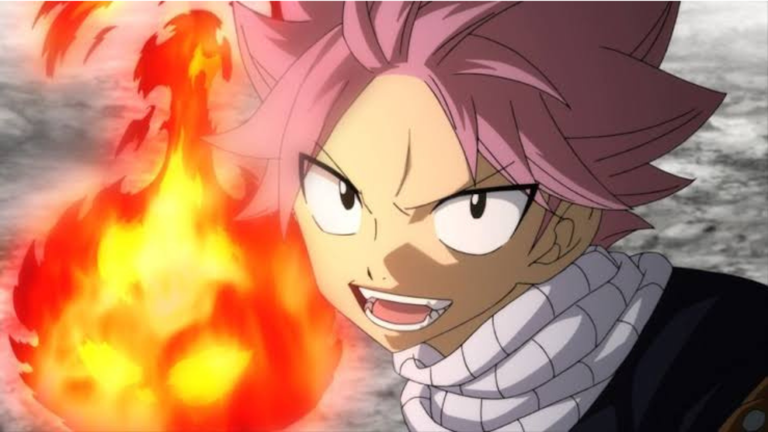
The world of Fairy Tail expands gloriously with Fairy Tail 100 Years Quest, continuing the beloved saga created by Hiro Mashima. This sequel takes readers on an unprecedented journey as Natsu Dragneel and his comrades tackle what was once considered an impossible mission. While maintaining the essence that made the original series so popular, Fairy Tail 100 Years Quest introduces fresh elements, new adversaries, and deeper character development, and fans can follow every chapter conveniently on platforms like NatoManga, enjoying high-quality scans and timely updates while immersing themselves in this expanding shonen universe.
The Legacy Continues: Understanding Fairy Tail 100 Years Quest’s Premise
Fairy Tail 100 Years Quest picks up exactly where the original series concluded, providing seamless continuity for fans who were left craving more adventures from their favorite guild members. The sequel centers around a legendary mission that has remained uncompleted for a century, hence the name. This quest involves defeating the Five Dragon Gods, immensely powerful dragons that surpass even Acnologia in strength. When Natsu, Lucy, Gray, Erza, Wendy, Happy, and Carla accept this mission, they embark on a journey that promises to test their abilities and bonds like never before.
What makes Fairy Tail 100 Years Quest particularly significant is how it addresses one of the original series’ most criticized aspects: the treatment of dragons. While the original Fairy Tail built up dragons as legendary beings, many fans felt their actual portrayal and the resolution of dragon-related storylines didn’t fully deliver on the promise. The sequel rectifies this by placing dragons at the center of the narrative, giving them proper attention and development. Each Dragon God has a distinct personality, motivation, and power set, making them compelling antagonists rather than mere obstacles.
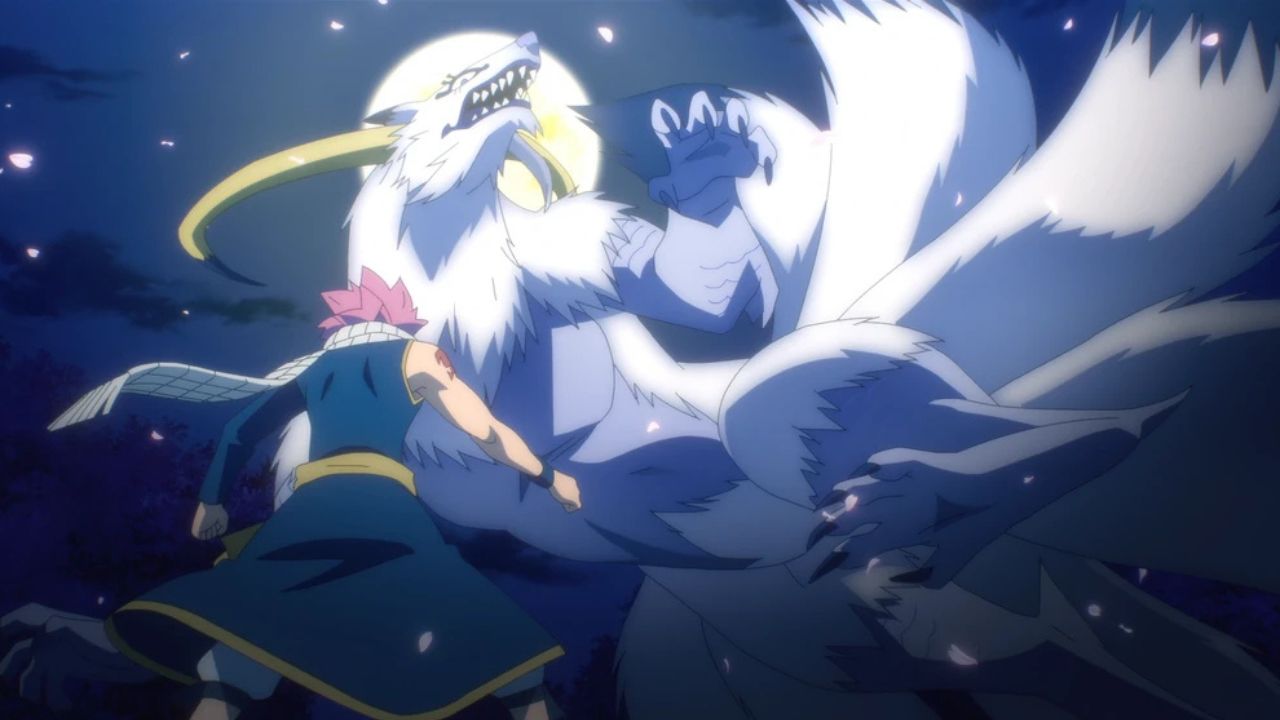
Furthermore, the sequel expands the world-building aspects that were somewhat limited in the original series. New locations such as Guiltina, a continent previously unexplored in the Fairy Tail universe, provide fresh settings for adventures. This expansion of the world map allows readers to discover new cultures, magical systems, and communities that enrich the overall lore. When you read Fairy Tail 100 Years Quest manga, you’ll notice the careful attention to environmental details that weren’t always present in the original series.
The storytelling approach in Fairy Tail 100 Years Quest also demonstrates greater maturity. While maintaining the series’ signature humor and camaraderie, the sequel explores more complex themes and presents morally ambiguous situations that force characters to make difficult choices. This evolution in narrative sophistication helps the series appeal to both longtime fans who have grown with the franchise and newcomers looking for compelling shonen storytelling.
Character Evolution and New Dynamics in Fairy Tail 100 Years Quest
One of the most remarkable aspects when you read Fairy Tail 100 Years Quest manga is how it handles character development. Rather than simply recycling character arcs from the original series, the sequel builds upon established foundations to explore new dimensions of familiar faces. Natsu, for instance, confronts the limitations of his Dragon Slayer magic when faced with the overwhelming power of the Dragon Gods. This forces him to reconsider his approach to strength and growth in ways that feel authentic to his character while pushing him in new directions.
Lucy Heartfilia undergoes perhaps the most significant development among the main cast. Her ongoing mastery of the Star Dress forms and her increasingly strategic approach to combat demonstrate substantial growth from her initial portrayal as a novice wizard. The sequel pays special attention to how her relationships with her celestial spirits have evolved from simple contractual obligations to deep bonds of trust and friendship. This progression feels earned and meaningful, especially for longtime fans who have witnessed her entire journey.
Gray, Erza, and Wendy similarly receive thoughtful development that acknowledges their experiences in the original series while presenting new challenges tailored to their individual character arcs. Gray’s ongoing struggle with his Devil Slayer powers, Erza’s exploration of her limits as a warrior, and Wendy’s growing confidence as both a healer and a Dragon Slayer all receive significant attention throughout the narrative.
Beyond the main cast, Fairy Tail 100 Years Quest introduces compelling new characters who seamlessly integrate into the existing world. The standout among these is Touka, a mysterious girl with connections to both White Wizard Zeref and the enigmatic guild called White Mage. Her complex motivations and abilities make her a fascinating addition to the cast. Similarly, the members of the Diabolos guild, who hunt and consume dragons, present an interesting contrast to Fairy Tail’s more benevolent approach to magic and power.
The Evolution of Relationships and Team Dynamics
Relationship development has always been a cornerstone of Fairy Tail’s appeal, and the sequel elevates this aspect significantly. While the original series often hinted at romantic connections between certain characters, Fairy Tail 100 Years Quest takes more definitive steps in developing these relationships. Natsu and Lucy’s bond continues to deepen in meaningful ways, as does the relationship between Gray and Juvia. These developments feel natural rather than forced, growing organically from the foundation established in the original series.
The team dynamics also evolve in interesting ways. With most of the guild members remaining in Magnolia while the core team undertakes the 100 Years Quest, the story focuses more intensely on the interactions within this smaller group. This concentrated focus allows for more nuanced exploration of how these characters function as a team, highlighting both their synergies and the occasional friction that arises from their distinct personalities. When you read Fairy Tail 100 Years Quest manga, you’ll appreciate how these familiar characters continue to surprise us with new facets of their personalities.
Perhaps most impressively, the sequel manages to maintain and even strengthen the sense of family that defined the original Fairy Tail. Despite the physical distance from their guildmates, Natsu and his friends carry the spirit of Fairy Tail with them, and the narrative regularly reinforces the importance of these bonds. This emotional continuity ensures that even as the story ventures into new territory, it remains unmistakably Fairy Tail at its core.
Artistic Evolution and Visual Storytelling in Fairy Tail 100 Years Quest
Fairy Tail 100 Years Quest represents a fascinating case study in manga production as it features Hiro Mashima as the writer while Atsuo Ueda handles the artwork. This collaboration introduces subtle but meaningful changes to the visual presentation of the Fairy Tail universe while maintaining continuity with the original series. Ueda’s art style respects Mashima’s character designs while adding his own flourishes, resulting in familiar characters who nevertheless feel refreshed and revitalized.
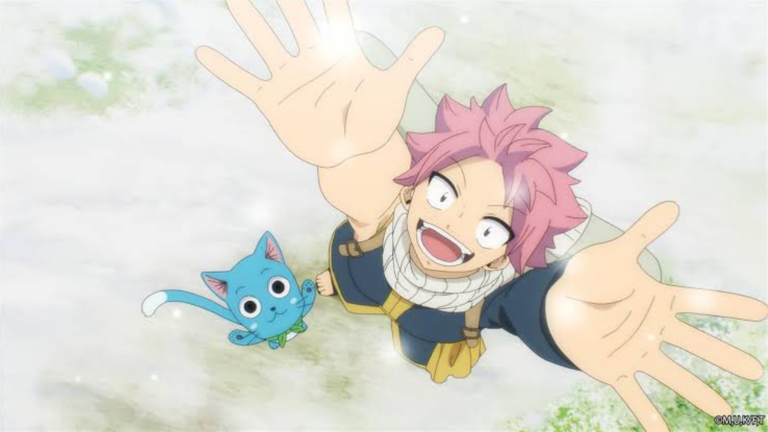
The action sequences in Fairy Tail 100 Years Quest showcase particular improvement. While the original series featured impressive battles, the sequel benefits from more dynamic paneling and flow, creating combat scenes that feel more impactful and easier to follow. The Dragon Gods especially receive spectacular visual treatment, with their designs conveying both their ancient nature and overwhelming power. Each Dragon God has a distinctive appearance that reflects their elemental affinity and personality, making them instantly memorable antagonists.
Environmental design also receives greater attention in the sequel. As the characters explore the previously unseen continent of Guiltina, readers are treated to diverse and detailed landscapes ranging from imposing mountain ranges to ancient ruins and unique settlements. This enhanced environmental artwork contributes significantly to the sequel’s world-building efforts, making new locations feel genuinely different from the familiar settings of Fiore.
Magical Combat and Power Progression
Magic battles have always been central to Fairy Tail’s appeal, and Fairy Tail 100 Years Quest elevates this aspect considerably. The sequel introduces new magical techniques for the protagonists that feel like natural evolutions of their established abilities rather than arbitrary power-ups. Lucy’s expanding repertoire of Star Dress forms, Natsu’s refinement of his Dragon Slayer techniques, and Gray’s increasingly sophisticated Ice Make creations all demonstrate thoughtful progression that rewards longtime fans.
The power scaling, often a contentious issue in long-running shonen series, is handled with greater care in the sequel. The Dragon Gods establish a new ceiling for magical power that makes sense within the context of the universe, and the protagonists’ struggles against these overwhelming forces feel genuine. Rather than simply powering up to match these new threats, characters often need to rely on strategy, teamwork, and clever applications of their existing abilities to make progress. This approach creates more satisfying battles that showcase character growth beyond raw power increases.
When you read Fairy Tail 100 Years Quest manga, you’ll notice that magical effects receive particularly lavish illustration. Spells manifest with greater detail and impact, making the magical elements of the world feel more tangible and awe-inspiring. This enhanced rendering of magic reinforces one of the series’ central themes: the wonder and limitless potential of magical ability when paired with determination and the right motivations.
You May Also Like:
Secrets Behind the Five Dragon Gods in Fairy Tail 100 Years Quest
Why Fairy Tail 100 Years Quest Is a Unique Sequel to Fairy Tail
Gray Fullbuster’s Role in Fairy Tail 100 Years Quest Explained
